Your body needs nutrients to work well. But here’s the thing: how you get those nutrients actually matters a lot.
Both IV therapy and oral supplements deliver vitamins and minerals. Yet they work in totally different ways. And understanding those differences? That’s what helps you pick what actually works for your health goals.
| What | IV Therapy | Oral Supplements |
| Absorption Rate | 90–100% | 10–50% |
| Time to Peak Effect | 30–60 minutes | 2–6 hours |
| Delivery Method | Bloodstream | Digestive system |
| Best For | Fast results, acute needs | Daily wellness, maintenance |
| Cost | $150–300 per session | $30–100 per month |
| Ideal Use Case | Immediate nutrient boost | Consistent, long-term support |
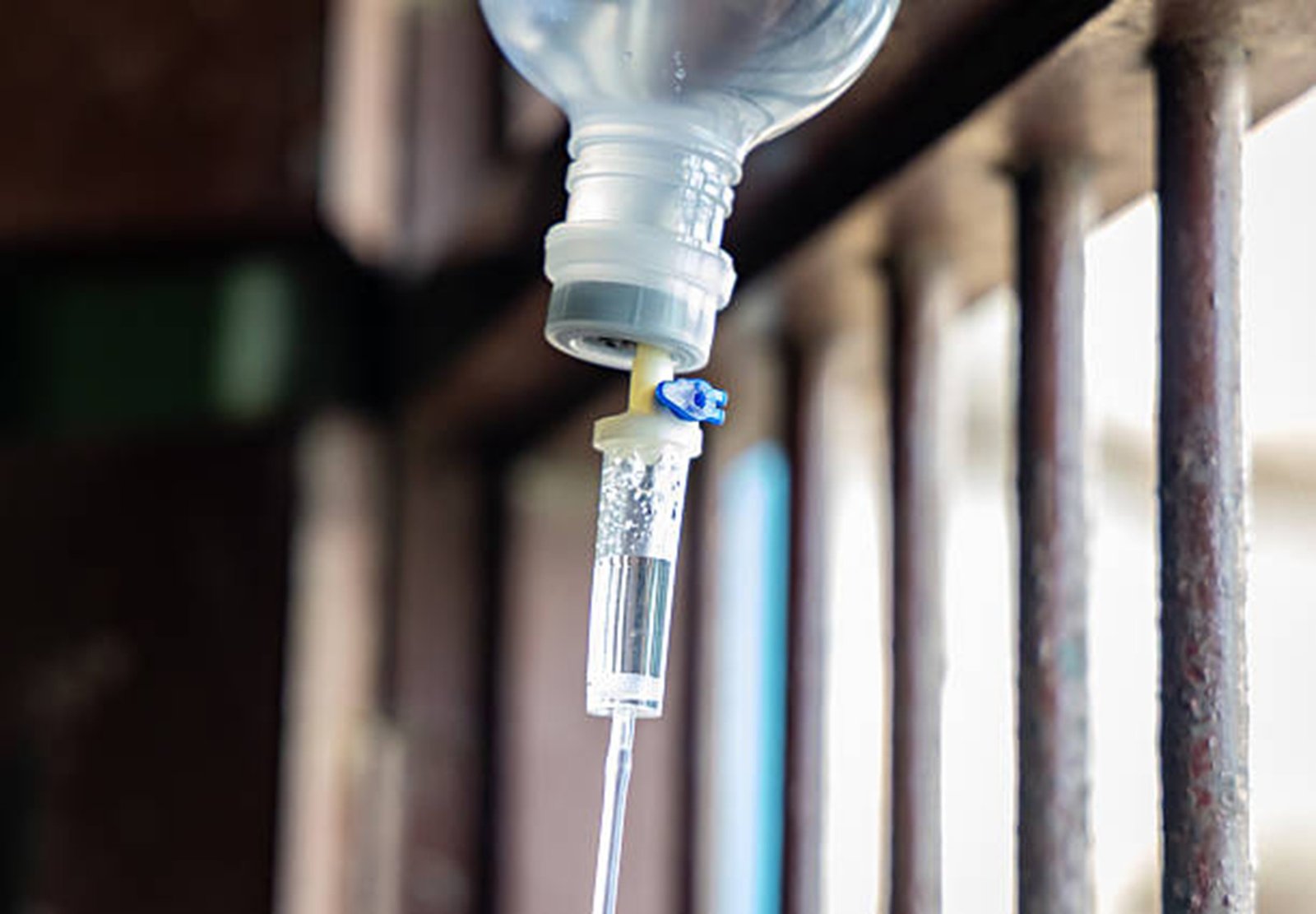
So what’s the main difference? IV therapy skips your digestive system completely. It puts nutrients straight into your bloodstream.
Oral supplements? They have to survive a lot. Stomach acid. Intestinal breakdown. Liver processing. Then they finally reach your cells. More steps mean more nutrient loss along the way.
So how does IV therapy actually work? A trained clinician inserts a small catheter into a vein in your arm. Then the nutrient solution flows straight into your bloodstream. And why does this matter so much? Well, your digestive system is pretty amazing at many things. But it’s not perfect at absorbing all nutrients.
Think about it this way. Your stomach acid and digestive enzymes break down food. That’s good. But they also break down supplements sometimes, before your body can even use them. Your intestinal lining acts as another filter. More breakdown happens there.
With IV therapy? You skip all that filtering. Nutrients go directly into your bloodstream. Your cells can access them immediately. No waiting for stomach digestion. No portion is getting passed out of your body unused. No nutrient loss to stomach acid.
And here’s something important: you can get higher doses through IV. This is huge. Let’s talk about vitamin C.
Say you take 1,000 mg of vitamin C as an oral supplement. Sounds impressive, right? But here’s the reality: your body only absorbs about 20% of that. That’s roughly 200 mg. The rest? Your body just excretes it. You’re literally paying for nutrients that don’t even stay in your system.
Now compare that to IV therapy. You can safely receive 50 grams of vitamin C with nearly 100% absorption. That’s a massive difference. Especially when you’re fighting off an illness or trying to boost immunity fast.
So what happens when you swallow a supplement? It goes on quite a journey through your digestive system.
Your stomach acid and digestive enzymes start breaking down the supplement. Now, here’s the thing: this process was designed for food. Not always for vitamin pills. Some nutrients make it through intact. Others? They degrade in the acidic environment. You start losing nutrients right here.
The partially broken-down supplement moves to your small intestine. Your intestinal lining absorbs what it can. But the intestine is selective. It doesn’t absorb everything. It has limits.
And there’s more. If your digestive system isn’t healthy — maybe you have inflammation, or dysbiosis, or enzyme issues — absorption drops even further. Your system is already struggling. It can’t absorb as much.
Absorbed nutrients go to your liver before entering general circulation. Your liver processes and filters them. Some pass through unchanged. Others get metabolized or partially broken down. You’re losing more nutrients here too.
After all that, the remaining nutrients finally reach your bloodstream. Then they distribute to your cells. Phew.
Here’s the problem. You lose nutrients at literally every step. Studies show oral supplement absorption ranges from 10–50%. And that depends on the specific nutrient, your digestive health, what medications you take, and what you ate that day.
Okay, so we’ve talked about percentages. But what do these numbers actually mean for your health? Let’s make this real.
| Nutrient | IV Therapy | Oral Supplement | Real-World Effect |
| Vitamin C | ~100% | ~20% | IV: 50g usable. Oral: 200mg from a 1,000mg dose |
| B-Complex | 95–100% | 20–40% | IV: More energy, faster. Oral: Gradual benefit |
| Magnesium | 95–100% | 30–40% | IV: Fast relaxation. Oral: Takes days to build up |
| Glutathione | 95–100% | 5–10% (very low) | IV: Powerful antioxidant effect. Oral: Mostly ineffective |
| Iron | 95–100% | 10–20% | IV: Critical for severe anemia. Oral: Causes GI upset |
1. If You Have Digestive Issues
If you have conditions like IBS, Crohn’s disease, or celiac disease, your gut may not absorb nutrients well. IV therapy sends nutrients straight into your bloodstream, so your body still gets what it needs.
2. If You Need Fast Results
Sometimes you do not have time to wait. You may be traveling, recovering, or feeling run-down. IV therapy works within hours, which makes it useful when you need quick support.
3. If You Have Severe Deficiencies
If tests show low levels of nutrients like B12, iron, or magnesium, your body may struggle to function. IV therapy helps restore these levels faster than oral supplements.
4. If You Are Recovering from Illness or Surgery
After surgery or during illness, your digestion may slow down. IV therapy supports healing by delivering nutrients directly, even when your gut is not working well.
5. If You Need Higher Nutrient Doses
Some treatments require higher doses than oral supplements can provide. IV therapy allows safe delivery of larger amounts that your body can use right away.
1. If Your Goal Is Daily Wellness
If you want to stay healthy over time, oral supplements work well. They provide steady nutrients when taken daily.
2. If Your Digestive System Is Healthy
If your gut absorbs nutrients properly, supplements can do the job. There is no need for IV therapy if your body already processes nutrients well.
3. If You Want a Budget-Friendly Option
Oral supplements cost much less than IV therapy. They are a practical choice for long-term use.
4. If You Want Consistent Results Over Time
Supplements build up slowly in your system. This helps maintain steady energy, immunity, and overall health.
5. If You Are Managing a Long-Term Condition
For ongoing concerns like joint health, skin care, or general wellness, daily supplements work best. They provide consistent support your body can rely on.
| Factor | IV Therapy | Oral Supplements |
| Cost | $150–300 per session. Usually used occasionally, but adds up quickly. | $30–100 per month. Much more affordable for regular use. |
| Time Commitment | Around 1–2 hours per session. Includes travel, setup, infusion, and wait time. | About 30 seconds daily. Just take your pills and move on. |
| Accessibility | Available mostly in major cities. Mobile services exist, but cost more. Limited options in rural areas. | Available almost everywhere. Pharmacies, grocery stores, and online stores. No appointment needed. |
| Convenience | Requires scheduling and visiting a provider. Less flexible. | Fits easily into your daily routine. No planning required. |
| Best For | Occasional use when you need a fast nutrient boost. | Daily use, steady nutrition, and budget-friendly wellness. |
1. How fast does IV therapy work compared to supplements?
IV therapy is fast. Really fast. You feel the effects in 30–60 minutes. Oral supplements? They take 2–6 hours to peak. So if speed matters, IV wins every time.
2. Can I absorb 100% of an oral supplement?
No. And that’s just how it works. Depending on the nutrient and your digestive health, you absorb 10–50% at best. The rest? Your body eliminates it. It’s totally normal.
3. Is IV therapy safe?
Yes, absolutely. When a trained healthcare provider administers it. Side effects are rare. The main risk is minor infection at the insertion site or vein irritation. Picking a qualified clinician basically eliminates the risk.
4. Should I use IV and oral supplements together?
Yes. Many people do this strategically. IV therapy for fast boosts when needed. Oral supplements for daily maintenance. Together, they work really well.
5. Is IV therapy permanent or temporary?
It’s temporary. You get a nutrient boost that lasts days or weeks. Then your body uses those nutrients up. So you need ongoing supplementation, either oral daily or IV sessions repeated.
Here is the simple truth. IV therapy works fast and delivers nutrients right away, which makes it useful for recovery, travel, or urgent needs, but it costs more and takes time. Oral supplements work slowly but steadily. They are affordable, easy to take daily, and support long-term health, though absorption is lower. So what should you choose? It depends on your current health and how quickly you need results.
Choose IV therapy if:
Choose oral supplements if:
A practical approach:
For many people, a mix works best. Use daily supplements for consistency, then add IV therapy when you need faster support. Always check with a healthcare provider so the plan fits your body, lifestyle, and goals.